
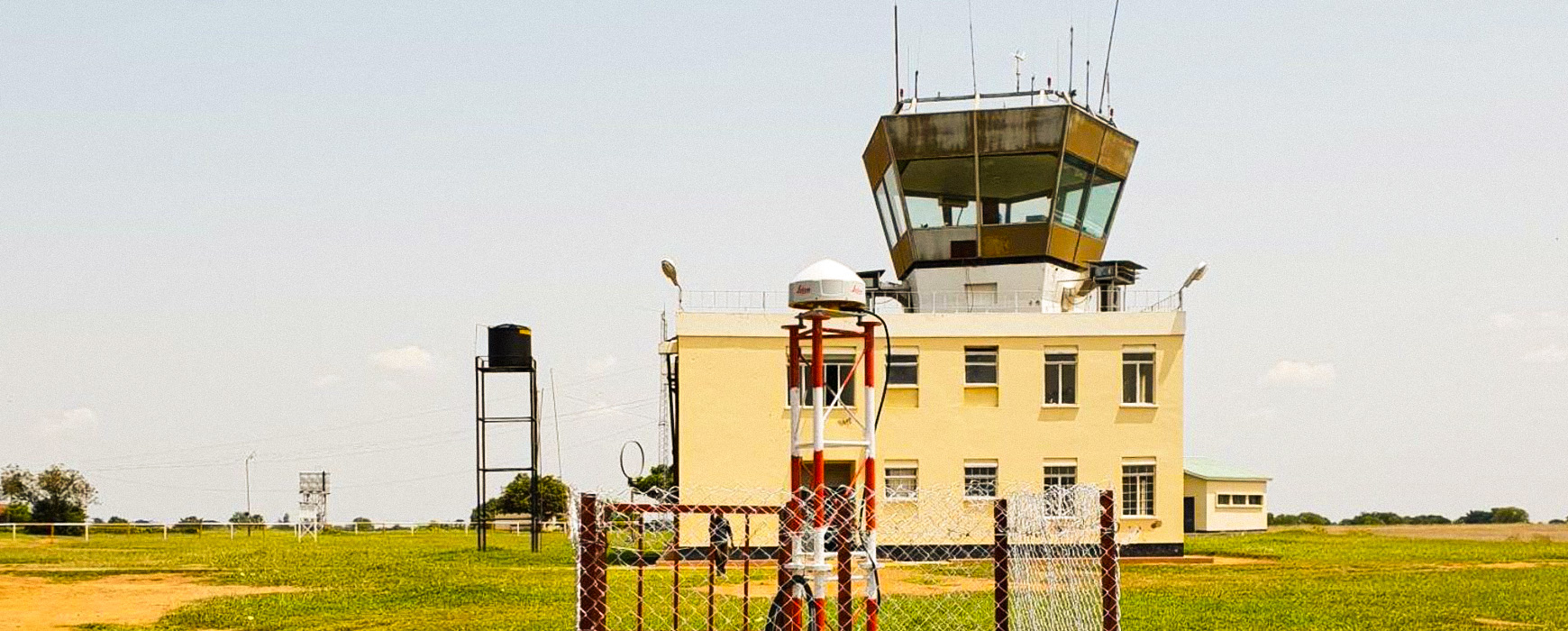
The improvement of Uganda’s land administration system is among the priorities of the national strategic plan for the land sector (LSSP). This improvement also relies on the establishment and densification of the geodetic network. Indeed, the absence of a reliable geodetic network compromises the accuracy and reliability of cadastral surveys, which can have serious negative consequences for the entire land administration sector.
As part of the land component of the Business Competitiveness and Development Project, Phase 1 of the Uganda Geodetic Reference Network (UGRF) project was implemented starting in 2017. This involved establishing 426 geodetic network points and 12 permanent stations (CORS), covering most of the country’s economically active areas.
The government decided to continue improving the Ugandan geodetic network (UGRF), which includes the densification and extension of the CORS station network coverage across the entire country. The network will continue to serve as a reference for land administration, as well as for the planning, development, construction, and other sectors.
Uganda’s Ministry of Lands, Housing and Urban Development (MLHUD) is in charge of implementing the project.
IGN FI, which had been selected and successfully completed the first phase, has just been entrusted with the implementation of this new stage through a direct agreement funded by the World Bank.
