

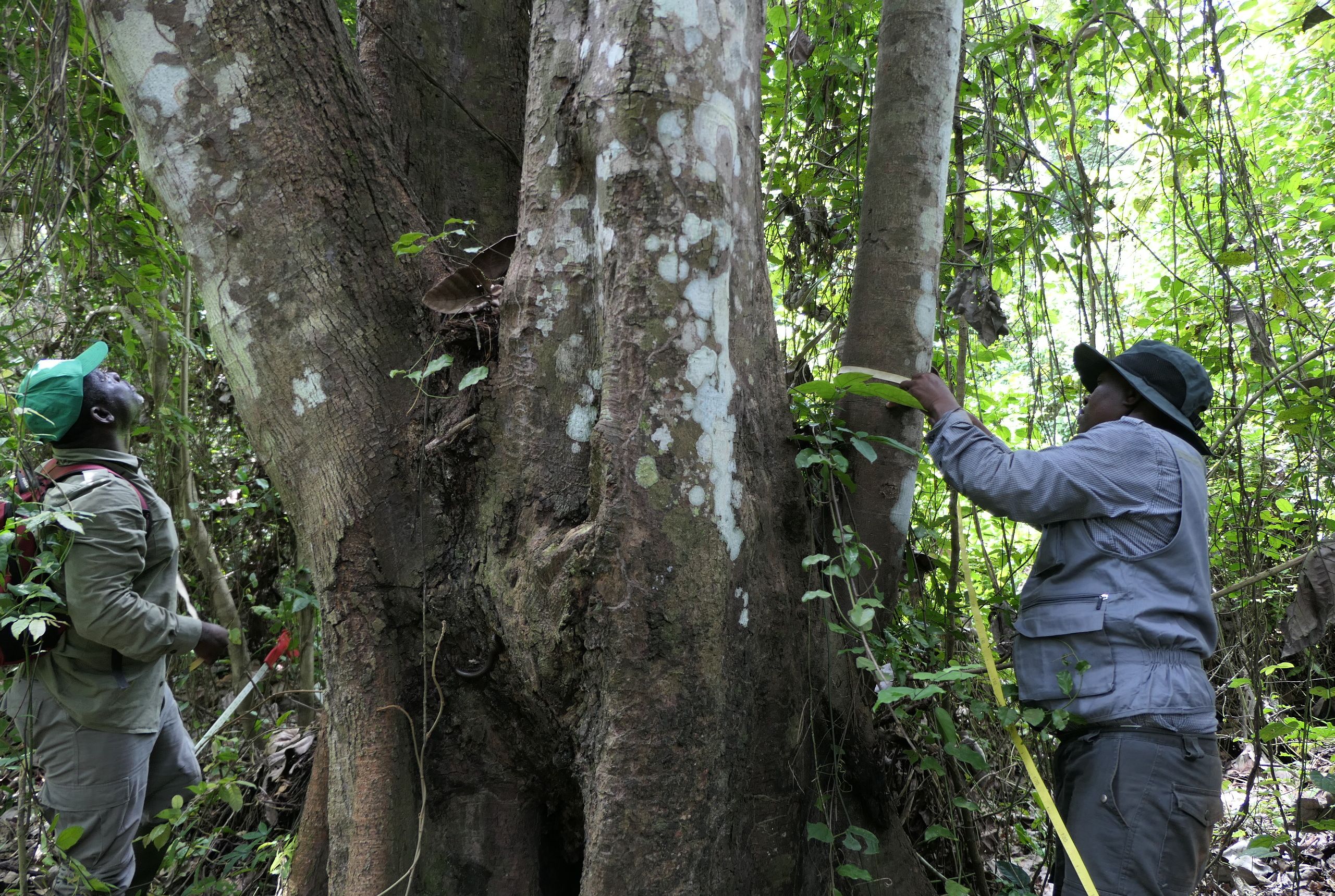
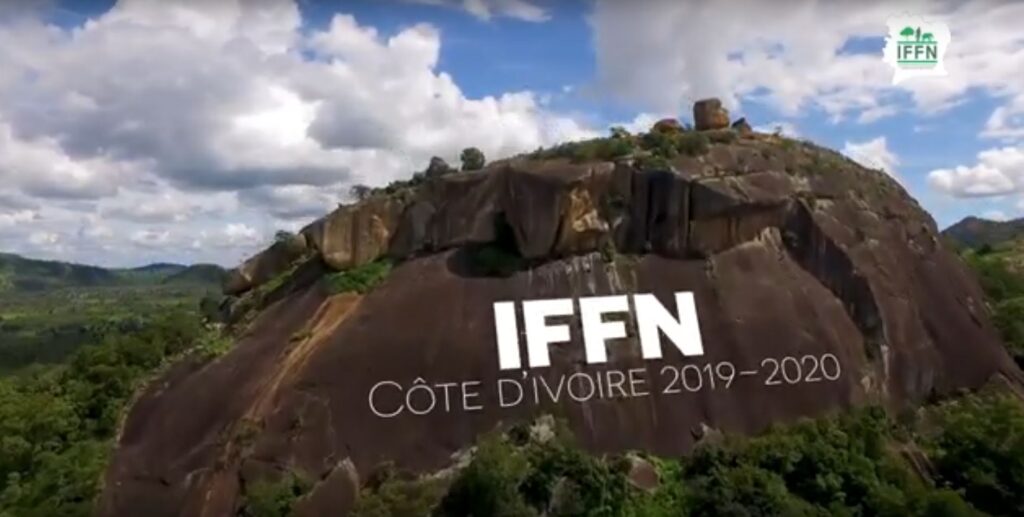
The National Forest and Wildlife Inventory (IFFN), funded under the Debt Reduction and Development Contract (C2D) and implemented by the Ministry of Water and Forests, aimed to update knowledge on forest and wildlife resources. This was to provide the government with actionable insights for sustainable management. The project, led by the ONF, IGN France, and IGN FI consortium, also strengthened the capacities of administrative staff and technical operators involved in this domain.


Africa
Ivory Coast
Environment, Agriculture, Forestry
Context
Côte d'Ivoire's last national forest inventory was conducted in 1979. The current state of forests in Côte d'Ivoire, assessed partly through satellite imagery, reveals a clear trend of deforestation and resource degradation. The Ivorian forest is estimated to have shrunk from 7.8 million hectares in 1990 to 3.4 million hectares in 2015.
Client
Ministry of Water and Forests (MINEF)
Zone
Côte d'Ivoire
Partner
ONF International (France), IGN (France), ONF (Côte d'Ivoire)
Funding Agency
AFD (French Development Agency)
Timeline
01/2019-12/2020
Missions
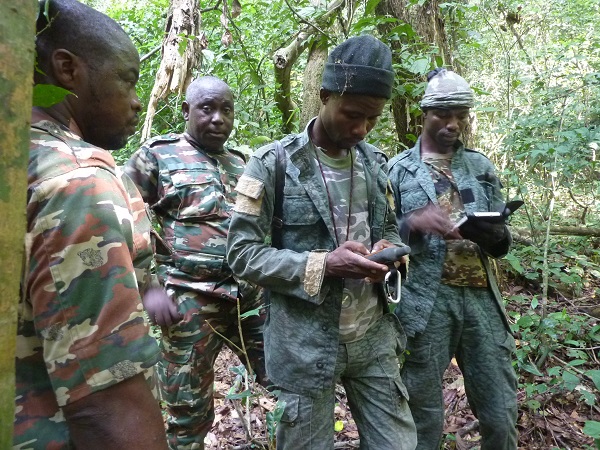
- Processing and analysis of inventory results: updated data concerning forest resources, socio-economic surveys, and wildlife surveys were processed, and data quality was verified.
- Communication: establishment of the overall communication plan at the project’s start, and monitoring its implementation throughout the project. This included the creation and dissemination of communication materials for various audiences: Ivorian institutions, local populations, the general public, the international scientific community…
- Production of access maps to field points : integration of all available and useful recent cartographic data to identify inventory points in the field and cartographic layout, to generate 1,417 access sheets for forest inventory sampling units and 380 access sheets for the 994 wildlife inventory transects.
- Presentation of results, notably through a national workshop at the end of the project.
11
international experts
1 417
sampling units visited in the field for the forest inventory
994
transects visited in the field for the wildlife inventory
Other references from the same sector

Modernization of the land information system in Tanzania – ILMIS
Modernization of the land information system in Tanzania – ILMIS
Massive Land Certification Operation and Support for Land Offices – CASEF
Massive Land Certification Operation and Support for Land Offices – CASEF
Land governance of the irrigation project in Mali
